RETURNING TO THE OLD CLIMB
It’s an ordinary Tuesday under midmorning flat light—the kind that does its best to take the shine off the forest as I approach it from the bridge. I’m headed back to the access trail I used to take into the park, back when I lived on this side of it.
At first it was just the way in. Then I realized that trail was the training. Running it three or four times a week—often before the “real” run began—gave me a rare kind of climbing shape. It became part of an identity: someone who could run up a steep hill with just about anyone. Not a skill that earns you anything in the world, but a quiet strength I carried. It bought me dozens of hours of hard, reflective movement—sometimes even the kind that borders on transcendence—on trails and mountains across America.
Today I return after a long stretch away. I’m a different runner than I was then. Not only because I’m coming back from injury, but because I’m in a different season of life. This time, stepping onto that familiar 1.25 miles of climbing, I seriously doubt I can run the whole thing without power hiking sections.
That is difficult to accept. It’s also honest. Two years removed from peak middle-age fitness, I can feel what has changed in the first minutes—how quickly the mind reaches for comparison, how fast it tries to turn the day into an audition.
Whether I can run the entire trail used to be a question I never had to ask. It wasn’t something someone like me considered. And once the comparison starts, it rarely stays in the lane of running. It spreads. It becomes an accounting—an inventory of shortcomings that seem to touch other parts of life if I let them.
The feeling shows up as urgency, a physical push that has been my superpower for a long time. The ability to pick up and do what needs to be done. Work is what I can do. I can work until I break—or at least I could. But the approach that built the younger, stronger version of me isn’t working anymore.
That urgency isn’t love.
The hill I’ve really been climbing the last two years has been acceptance of what my body can do now. A nuanced acceptance—one that doesn’t surrender to fate, but also doesn’t argue with reality. To keep this practice going, I have to do something different. Part of that difference is learning to accept the dimming of a certain kind of future hope: the bright, palpable desire for a recognizable result.
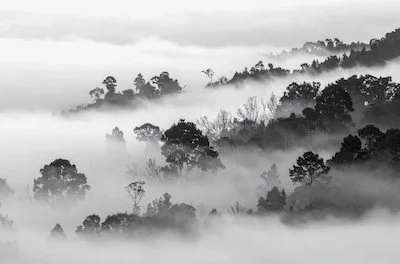
For years I’ve set goals I could work toward daily—simple, personal purposes that made the work feel clean and gave the days a line to follow. But future hope has changed its light. The desire to achieve has been transmuting into something quieter: a moment on a ridgeline with sun behind my shoulder and the world below sheltered in low clouds. An aspiration to touch transcendence through presence in the action, even if the tempo is different now.
So I return to this trail with the intention of seeing parts of it I missed when I was stronger—when I descended in free fall, learning every step by necessity, hardly looking up. Now it’s not a distracted training mission. It’s an outing on an anonymous day, at a time when most people are tucked behind monitors, in meetings where a long list of nothing will never be done.
I spend my day in the hills at my pace, listening to the growl of the city’s industry across the river while an older, quieter song holds steady in the forest just across it.
This takes one step at a time. The early ones often feel unsustainable, and then—predictably, rewarding—half an hour later I’m running in a different body than the one that started. It takes returning to breath when rhythm feels hard to grasp. It takes small cues: light hands, right effort, soft gaze—anchors that keep me released at the same time.
Today the action was simple: let the trail set the pace. The grade decides my tempo. I don’t resist it. No negotiating.
This meditation in movement is mundane, and it’s far more difficult to return to when you recognize the patterns it takes to arrive there. But eventually the attention on breath and stride becomes gratitude—gratitude for being able to do nothing more than repeat this in this place.
The practice now is to be here and not negotiate with the past. My younger self is still a spirit on these trails, but he doesn’t get to drive my actions.
The trail is always there. I change. The work is meeting it cleanly where I am today.